














Quick answer: apply leave-in conditioner to clean, damp hair, from mid-lengths to ends, using a small amount (a few sprays or a coin-sized dab). Skip the roots. Most hair types do well with it 2 to 4 times a week, and lightweight sprays can be used daily. Can keratin be a leave-in conditioner? Yes, if the product is a leave-in formula that contains hydrolyzed keratin, such as a keratin leave-in spray. A salon keratin treatment is a different service and cannot be used as a leave-in.
| Your hair | Leave-in type |
|---|---|
| Fine or oily | Lightweight water-based spray |
| Frizzy, keratin-treated | Keratin leave-in spray or frizz control |
| Dry, thick, curly | Richer leave-in treatment |
| Color-treated | Protein-rich reconstructive leave-in |
Updated October 2026 by the Evoque Professional education team.
Why Leave-In Conditioner Deserves a Spot in Your Daily Routine
If you're still skipping leave-in conditioner, your hair is missing out on one of the most hardworking products in hair care. Unlike rinse-out conditioners, leave-ins stay on your strands all day, continuously delivering moisture, smoothing the cuticle, and protecting against heat and environmental damage.
The catch? Most people either use too much, apply it to the wrong hair type, or put it on at the wrong time. This guide walks you through exactly how to do it right.
Who Actually Needs Leave-In Conditioner?
Leave-in conditioner works for almost everyone, but it's especially beneficial if your hair is:
- Dry or damaged from color, heat, or chemical treatments
- Prone to frizz or flyaways
- Thick, curly, or coily
- Tangly and difficult to comb through
- Exposed to daily heat styling
Even fine hair can benefit. You just need to apply it more sparingly and focus on the mid-lengths and ends, not the roots.
Step-by-Step: How to Apply Leave-In Conditioner Correctly
Step 1: Start with freshly washed, towel-dried hair
Leave-in conditioner works best on clean, damp hair. After washing, gently squeeze out excess water with a microfiber towel. Avoid rough towel-drying, which raises the cuticle and causes frizz. Your hair should be damp but not dripping.
Step 2: Section your hair (especially if it's thick)
Working in sections ensures every strand gets even coverage. For short or fine hair, you can skip this step and apply all at once.
Step 3: Spray or apply evenly from mid-length to ends
This is the most important step: avoid the roots. Applying leave-in to your roots can weigh hair down and make it look greasy. Focus on the mid-lengths and ends, the areas most prone to dryness and breakage.
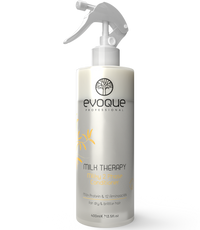
For a two-phase spray formula like the Milk Therapy Two Phase Leave-In Conditioner, shake the bottle first to combine the water and oil phases, then spray evenly through damp hair. It's lightweight enough to use daily without buildup.
Step 4: Comb through gently
Use a wide-tooth comb or your fingers to distribute the product and work through any tangles. Start from the ends and work your way up toward the roots to minimize breakage.
Step 5: Style as usual
You can blow-dry, air-dry, diffuse, or straighten your hair after applying leave-in. The conditioner creates a protective layer that helps shield strands from heat damage.
Can Keratin Be a Leave-In Conditioner?
It depends on what you mean by keratin, because the word covers two very different things.
Keratin in a product. Many conditioners and leave-ins contain hydrolyzed keratin, a protein broken into small pieces so it can sit on and in the hair fiber. In a leave-in formula this helps smooth, strengthen and reduce frizz on damaged or chemically treated hair. Yes, this works as a leave-in. The Smart Keratin Leave-In Conditioner is a lightweight spray made with keratin-based amino acids, argan oil and macadamia oil. You spray it on damp or dry hair, comb through and do not rinse. The Smart Keratin Frizz Control Leave-In works the same way and is aimed at humidity and flyaways. Both list heat protection up to 450°F (230°C).
A keratin treatment. A salon keratin smoothing treatment is a professional service that is applied, dried and sealed with heat. It is not a leave-in, and you should never leave a treatment product in your hair at home. What a leave-in can do is help the result last. After a treatment, a keratin leave-in is a good daily step. Our guide on how to make a keratin treatment last longer covers the full aftercare routine.
One caution: protein is useful, but more is not always better. If your hair starts to feel stiff or straw-like, you are likely overdoing protein. Switch to a moisturizing leave-in for a week or two.
Common Leave-In Conditioner Mistakes to Avoid
- Using too much: A little goes a long way. Start with a small amount; you can always add more, but you can't take it away.
- Applying to dry hair: Leave-in conditioner is most effective on damp hair because it seals in the moisture your hair already has. Keratin spray leave-ins are an exception and can also be used on dry hair for a quick smoothing touch-up.
- Skipping it after color treatments: Colored hair is especially porous and needs extra moisture. Leave-in is non-negotiable post-color.
- Using a heavy formula on fine hair: Choose a lightweight spray formula if your hair is thin or gets oily quickly.
How Often Should You Use Leave-In Conditioner?
For most hair types, every wash day is ideal, meaning 2 to 4 times per week. If your hair is very dry or heavily damaged, you can use a lightweight spray formula daily between wash days to refresh and re-moisturize.
The Right Leave-In for Your Hair Type
Not all leave-in conditioners are created equal. Here's a quick guide:
- Fine or oily hair: Choose a lightweight, water-based spray like the Milk Therapy Two Phase Leave-In Conditioner. It absorbs fast and won't weigh hair down.
- Dry, flat hair that needs volume: the Milk Therapy Mousse, a weightless volumizing mousse with milk proteins, applied to damp hair before blow-drying.
- Dry, thick, or curly hair: a richer leave-in treatment such as the Yogurt Leave-In Deep Treatment Mask.
- Frizz and humidity: the Miracle Touch Leave-In Conditioner or the Smart Keratin Frizz Control if your hair is keratin-treated.
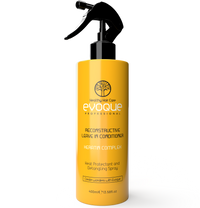
- Color-treated or chemically processed hair: Prioritize a formula with protein and bond-strengthening ingredients, like the Reconstructive Leave-In Conditioner.
Frequently Asked Questions
Can keratin be a leave-in conditioner?
Yes, when it is a leave-in formula containing hydrolyzed keratin, such as a keratin leave-in spray. A salon keratin treatment is a separate service and should not be used as a leave-in.
Can I use leave-in conditioner every day?
Lightweight spray leave-ins are designed for daily use. Richer creams and masks are better 2 to 4 times a week, or the hair can feel heavy.
Should leave-in conditioner go on wet or dry hair?
Damp hair is best, because the product seals in the water already in the hair. A light mist on dry hair is fine as a mid-day refresh with a spray formula.
Do I rinse out leave-in conditioner?
No. That is the point of a leave-in. If you used a rinse-out conditioner or a mask first, rinse that, then apply the leave-in.
Does leave-in conditioner help after a keratin treatment?
Yes. It adds moisture and smoothness between washes and helps keep frizz down. Pair it with a sulfate-free shampoo for the best aftercare; see our sulfate-free shampoo guide to check what the label really means.
Final Thoughts
Leave-in conditioner is one of the simplest ways to upgrade your hair health over time. Apply it consistently on damp hair, avoid the roots, and choose a formula suited to your hair type, and you'll notice softer, smoother, more manageable hair within just a few weeks.
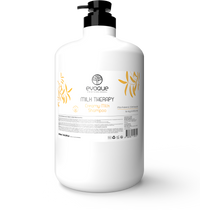
Ready to try it? Explore the Evoque Milk Therapy collection, a milk protein shampoo, conditioner and leave-in conditioner range for dry and color-treated hair, or browse all leave-in conditioners.
By the Evoque Professional education team.