














The short answer
A milk protein shampoo uses hydrolyzed milk protein, broken down into small pieces, to help dry hair hold moisture and feel smoother and more elastic after washing. It works best for dry, brittle, dull or color-treated hair. For most people the right setup is a gentle, sulfate-free milk protein shampoo, a moisturizing conditioner, and a protein mask no more than once or twice a week.
| Your hair | Good fit for milk protein? |
|---|---|
| Dry, rough, dull | Yes, this is the main use |
| Color-treated or bleached | Yes, choose a sulfate-free formula |
| Brittle, snaps easily | Yes, balance it with moisture |
| Already stiff or straw-like after protein products | Pause protein and focus on moisture |
What is milk protein in shampoo?
Milk naturally contains two main groups of protein, casein and whey. In hair care these are hydrolyzed, which means they are broken into much smaller pieces. On the ingredient list you will usually see it as Hydrolyzed Milk Protein.
Small protein fragments can attach to the surface of the hair, especially where the cuticle is rough or damaged. That is why milk protein formulas tend to leave dry hair feeling softer, smoother and less fragile. In a well-made shampoo, milk protein is usually paired with humectants and amino acids that help pull water into the hair and keep it there.
What does milk protein do for dry hair?
- Helps hold moisture. Protein and amino acids help dry strands retain water after washing instead of feeling rough as soon as they dry.
- Smooths the surface. By settling into rough spots on the cuticle, milk protein helps hair feel smoother and reflect more light, so it looks shinier.
- Improves elasticity. Hair that stretches a little before it breaks is less likely to snap when you brush or style it.
- Makes washing gentler. In a sulfate-free base, milk protein helps the shampoo cleanse without leaving dry hair squeaky and stripped.
Is milk protein good for color-treated hair?
Yes, with one condition: the shampoo itself should be gentle. Color and bleach roughen the cuticle, which is exactly where milk protein helps most. Pair it with a sulfate-free cleansing base so the shampoo is not stripping the hair while the protein is trying to smooth it. For more on what "sulfate-free" really means, see our guide to sulfate-free shampoo.
Can you use too much protein? Avoiding protein overload
You can. If you stack several protein-heavy products every wash, some hair types, especially fine or low-porosity hair, can start to feel stiff, straw-like or more brittle. That is usually called protein overload.
The fix is balance, not avoidance:
- Use a milk protein shampoo as your everyday cleanser, then follow with a moisturizing conditioner.
- Keep intensive protein masks to once or twice a week.
- If hair starts to feel stiff, skip the mask for a week and use only conditioner and a light leave-in.
Milk protein vs keratin: which one do you need?
Both are proteins, but they suit different goals. Milk protein formulas are usually built around softness and moisture for dry, brittle hair. Keratin formulas are usually built around smoothing frizz and strengthening hair that has been chemically treated or heat styled, and around making a salon keratin treatment last longer. If your main problem is dryness, start with milk protein. If your main problem is frizz or you have had a keratin treatment, start with keratin. Our keratin aftercare guide covers that routine.
How to choose a milk protein shampoo
- Check that milk protein is actually there. Look for "Hydrolyzed Milk Protein" on the ingredient list, not just a milky name or scent.
- Look for moisture partners. Amino acids, sodium PCA, sodium lactate and glycerin help the protein do its job on dry hair.
- Prefer a sulfate-free base if your hair is dry, colored or bleached.
- Buy it as a system. A matching conditioner and leave-in make the biggest difference for very dry hair.
- Pick the right size. Try a travel size first, then move to a salon size once you know it works for you.
A simple milk protein routine for dry hair
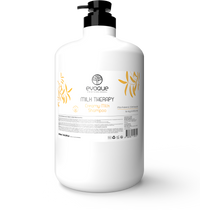
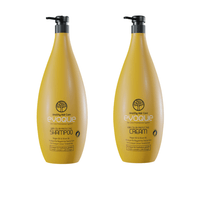
- Wash: massage Milk Therapy Hydrating Shampoo into wet hair and scalp, then rinse. It combines hydrolyzed milk protein, amino acids and immortelle extract in a sulfate-free formula.
- Condition: apply Milk Therapy Hydrating Conditioner to damp hair, leave it for 1 to 2 minutes and rinse.
- Once or twice a week: swap the conditioner for the Milk Therapy Deep Treatment Masque and leave it on for 5 to 10 minutes.
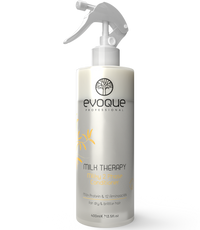
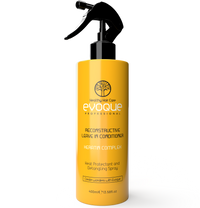
- Before styling: spray the Milk Therapy Two-Phase Leave-In on damp hair from mid-lengths to ends. It detangles and helps protect from heat up to 450°F / 230°C.
You can see the whole line in the Milk Therapy collection.
Frequently asked questions
What does milk protein do for hair?
Hydrolyzed milk protein helps dry hair hold moisture and feel smoother, softer and more elastic. It works best paired with amino acids and humectants.
Is milk protein shampoo good for dry hair?
Yes. Dry, brittle and dull hair is exactly what milk protein shampoos are designed for, especially in a gentle, sulfate-free base.
Can I use a milk protein shampoo every day?
A gentle milk protein shampoo can be used on every wash day. Very dry hair usually does not need daily washing, so every second or third day is often enough.
Does milk protein cause protein overload?
It can if you layer many protein products every wash. Use a moisturizing conditioner every time and keep protein masks to once or twice a week.
Is milk protein shampoo safe for color-treated hair?
Yes, if the formula is sulfate-free. Milk protein helps smooth the rough cuticle that coloring and bleaching leave behind.
Milk protein or keratin for frizz?
For frizz and keratin treatment aftercare, keratin is usually the better first choice. For dryness and brittleness, start with milk protein.
By the Evoque Professional education team.