














"Sulfate-free" has been printed on shampoo bottles for long enough that most people assume it matters without knowing why. Some of the claims made about sulfates are overstated. Some are entirely accurate. It is worth knowing which is which before you spend more on a bottle.
What sulfates are
Sulfates are surfactants, cleansing agents that let water lift oil and dirt off a surface. The two you will see most often are sodium lauryl sulfate (SLS) and sodium laureth sulfate (SLES). They are cheap, extremely effective, and responsible for the thick lather people associate with hair feeling clean.
That effectiveness is the whole problem. Sulfates do not distinguish between the oil you want gone and the lipids, proteins and color pigment you want to keep.
What sulfates are not
To be fair to them: sulfates are not carcinogenic, they do not cause hair loss, and there is no credible evidence linking them to serious health harm at the concentrations used in shampoo. Much of the alarm around them online is marketing rather than science.
The real case against sulfates is narrower and more practical: they are too aggressive for hair that has been chemically processed, and they irritate sensitive scalps.
Who genuinely benefits from switching
Color-treated hair
This is the clearest case. Sulfates open the cuticle and flush dye molecules out with each wash. If you color your hair, sulfate shampoo is one of the biggest reasons your color fades before your next appointment. Reds, coppers and fashion shades fade fastest.
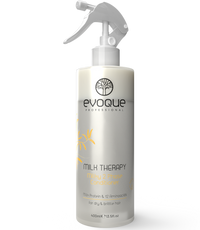
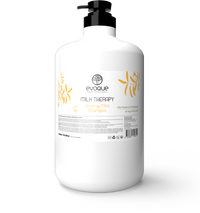
Switching to a color-safe, sulfate-free shampoo such as Milk Therapy is the highest-return change most people with dyed hair can make.
Keratin and chemically-straightened hair
Sulfates strip the keratin out of a treatment. A three-to-five month treatment can be reduced to six weeks by continuing with a sulfate shampoo. If you have paid for a keratin service, sulfate-free is not optional.
Dry, damaged and high-porosity hair
Damaged hair has a raised, porous cuticle and cannot hold moisture well to begin with. Sulfates remove the natural oils that partially compensate. If your hair feels like straw after washing, the shampoo is a likely cause.
Curly and coily hair
Curl patterns make it difficult for scalp oil to travel down the hair shaft, so the ends are naturally drier. Removing what little oil reaches them makes frizz and breakage worse.
Sensitive or eczema-prone scalps
SLS in particular is a known skin irritant and is used as a standard positive control in dermatological patch testing. If your scalp is itchy, tight or flaky, this is worth ruling out.
Blonde and bleached hair
Bleached hair is porous by definition. It loses moisture and toner fast, and sulfates accelerate both.
Who probably doesn't need to bother
If your hair is virgin (never colored, never chemically treated), naturally oily, and your scalp is comfortable, sulfates are unlikely to cause you problems. Some people with very oily scalps or heavy styling product use find sulfate-free formulas do not cleanse thoroughly enough.
Even then, a middle path works well: sulfate-free for regular washing, with an occasional clarifying wash when buildup becomes noticeable.
What to expect in the first two weeks
Switching is not always instantly pleasant, and this is where most people give up too early.
- Less lather. Sulfate-free surfactants foam less. Lather has never been an indicator of cleaning power, but it feels like one. You may need two shorter washes instead of one.
- A greasier feel for one to two weeks. Your scalp has been over-producing oil to compensate for aggressive cleansing. It takes a little time to recalibrate. This is temporary.
- Softer texture within two to three washes. Usually the first thing people notice.
- Color holding noticeably longer. Most obvious around week three or four, when you would normally start seeing fade.
Give it a full three weeks before judging.
Also check for sodium chloride
Plenty of shampoos marketed as sulfate-free still contain sodium chloride, ordinary salt, used to thicken the formula. It draws moisture out of hair and is particularly bad for keratin-treated hair. If it appears high in the ingredients list, the sulfate-free label is doing less for you than it suggests.
How to choose the right one
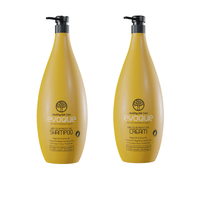
Sulfate-free is a baseline, not a complete specification. What matters next is what the formula adds back. These Evoque lines use sulfate-free cleansers:
- Dry, brittle, color-treated hair: milk proteins and amino acids, Milk Therapy milk protein shampoo and conditioner.
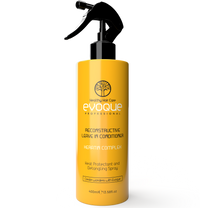
- Damaged, frizzy, chemically-treated hair: keratin and argan oil, Smart Keratin.
- Frizz and humidity: sealing formulas, Miracle Touch.
- Hair fall and dandruff: piroctone olamine and tea tree, Scalp Recovery.
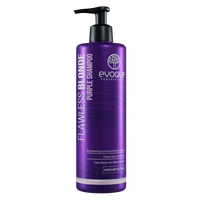
Some specialist shampoos, such as purifying, deep-cleansing and purple toning formulas, do use sulfates because they are designed to remove buildup or deposit pigment. Always check the ingredient list on the product page; it is printed in full for every Evoque product in the shampoo range.
The short version
Sulfates are not dangerous. They are simply too harsh for hair that has been colored, bleached, keratin-treated or damaged, which describes most people reading this. If that is you, switching is one of the few hair care changes with a visible payoff, and the main thing it buys you is time: more weeks before your color fades, more months before your treatment gives out.