














A professional keratin treatment costs anywhere from $150 to $400 and should hold for three to five months. In practice, plenty of people find the smoothness gone in six or seven weeks and assume the treatment was poorly done. Usually it wasn't. The treatment failed at home, in the shower, within the first fortnight.
Here is what actually determines how long your results last.
The first 72 hours decide everything
Keratin treatments work by depositing keratin protein into the hair and sealing it in place with heat from a flat iron. That seal needs time to fully set. For the first 72 hours after your appointment:
- Do not wash your hair. Water reopens the cuticle before the bond has stabilized.
- Do not tie it up, clip it back or tuck it behind your ears. Any crease you set in the first three days can become permanent for the life of the treatment.
- Do not wear a headband, hat or sunglasses pushed up on your head. Same reason.
- Avoid sweating heavily. Salt in sweat behaves the same way as salt in seawater.
If your stylist told you 48 hours instead of 72, follow their instruction — formulas differ. But when in doubt, wait longer.
Sulfates are the single biggest cause of premature fade
This is the part most people get wrong. Sodium lauryl sulfate and sodium laureth sulfate are aggressive cleansing agents found in the majority of drugstore shampoos. They are extremely effective at removing oil — and equally effective at stripping the keratin you just paid for out of the hair shaft.
A single wash with a sulfate shampoo will not undo the treatment. Washing three times a week for a month absolutely will. Studies of keratin retention consistently show sulfate-containing cleansers accelerating protein loss compared to sulfate-free alternatives.
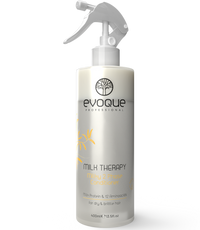
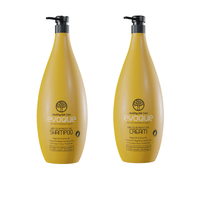
Switch to a sulfate-free keratin shampoo before your appointment, not after. The Smart Keratin Restorative Shampoo is formulated specifically to top up keratin with each wash rather than deplete it, using hydrolyzed keratin and amino acids alongside argan and macadamia oil.
Also avoid sodium chloride
Check your shampoo label for sodium chloride — ordinary salt, used as a thickening agent. It is common even in some products marketed as sulfate-free, and it draws moisture and keratin out of treated hair. If it appears in the first half of the ingredients list, replace the product.
Wash less often, and wash cooler
Every wash costs you a small amount of treatment. Reducing frequency from daily to every second or third day can extend results by weeks. Keratin-treated hair typically gets less greasy anyway, because the smoother cuticle distributes scalp oil more evenly down the shaft.
Use lukewarm water rather than hot. Hot water lifts the cuticle and speeds protein loss. A cool final rinse helps seal it back down and adds visible shine.
Condition every single time
Skipping conditioner on keratin-treated hair is a mistake. The treatment leaves hair smoother but not necessarily more hydrated, and dry hair breaks. Use a matching keratin conditioner on mid-lengths and ends after every wash.
Once a week, replace it with a Smart Keratin Deep Treatment Mask. Five to ten minutes of contact time drives keratin and amino acids deeper into the cortex than a rinse-out conditioner can reach, effectively topping up the treatment between salon visits.
Protect against chlorine and salt water
Chlorine and seawater are both harsh on treated hair. If you swim regularly:
- Wet your hair with clean water before getting in. Saturated hair absorbs less pool water.
- Apply a leave-in conditioner or a light layer of hair oil as a barrier.
- Rinse thoroughly immediately after swimming.
- Wear a swim cap for regular lap swimming.
Heat styling: less, but not none
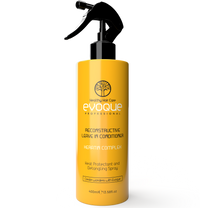
One of the points of a keratin treatment is that you need less heat styling — hair dries smoother on its own. Use that. When you do use a dryer or iron, always apply heat protection first. The Smart Keratin Frizz Control cream and leave-in sprays in the range protect up to 230°C.
Be careful with color timing
Do not color your hair in the two weeks after a keratin treatment. The sealed cuticle resists pigment, so color takes unevenly and the developer can compromise the treatment. If you want both, color first, then keratin — ideally at the same appointment or within a few days, with the keratin last.
A realistic weekly routine
- Wash days (2–3 per week): sulfate-free keratin shampoo, lukewarm water, cool final rinse.
- Every wash: keratin conditioner on mid-lengths and ends, two minutes minimum.
- Once weekly: deep treatment mask instead of conditioner, 5–10 minutes.
- Daily: a few drops of keratin argan oil on dry ends for shine and sealing.
- Before heat: always a heat protectant leave-in.
How long should it actually last?
With this routine, expect three to five months from a full keratin treatment, with the smoothness fading gradually rather than disappearing suddenly. Fine hair often holds it slightly longer than coarse hair. Very damaged or heavily bleached hair tends to release it faster, because the porous structure does not hold the protein as well — in that case, a bond-repair product like the Plex Extreme S.O.S line alongside your keratin aftercare will help.
The pattern is consistent: people who switch to sulfate-free care see months of results, and people who go back to their old shampoo see weeks.